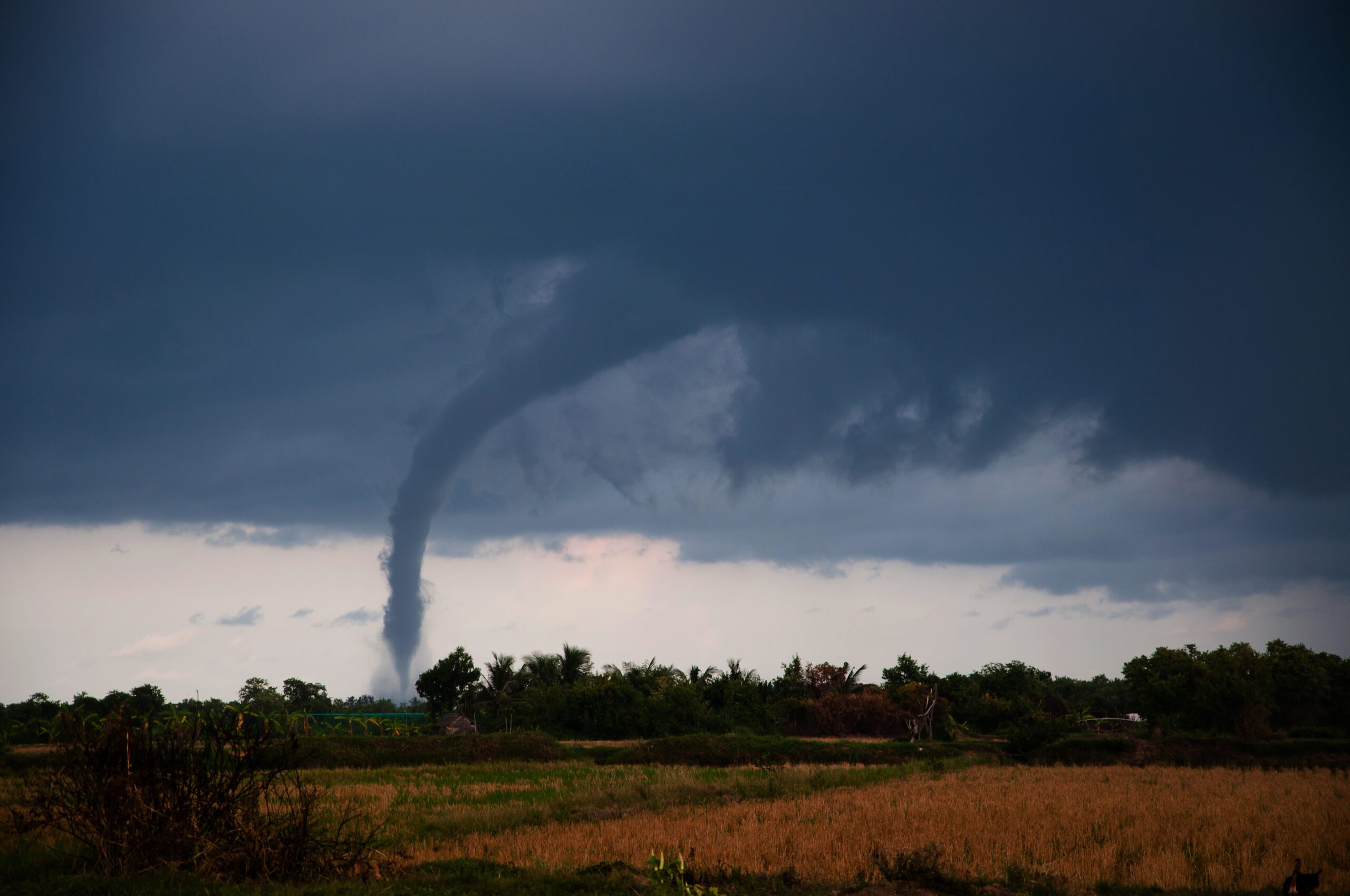
Imagine a day like any other, perhaps a little more overcast than usual. The wind picks up, not gently, but with an insistent, growing howl. As you navigate the final steps to your home or office, debris whips around, and the air itself feels heavy with an unseen force. Then, a sound unlike anything you’ve ever heard – a continuous, deafening roar, like a freight train bearing down on you, yet there are no tracks in sight. This isn't just a bad storm; it's the unmistakable signature of an approaching tornado, and in mere moments, your world could be irrevocably altered.
In such a terrifying scenario, every second counts. Panic is a natural reaction, but it’s preparation, specifically a well-rehearsed tornado drill, that empowers you to act decisively and protect what matters most. As severe weather events become more frequent and impactful across broader regions, understanding and practicing your emergency response is no longer optional; it's a critical lifeline.
The Unpredictable Fury: Why Tornadoes Demand Proactive Preparedness
Tornadoes are among nature's most violent and unpredictable phenomena. They descend with indiscriminate, brutal force, leaving behind a trail of devastation that can span miles, costing millions in damage, and tragically, claiming lives. What makes these swirling columns of air particularly menacing is their notorious difficulty to predict with more than a day's notice, often materializing with little warning.
Adding to this urgency is a concerning trend: the severity and impact of tornadoes have escalated in recent years. Furthermore, regions traditionally considered less prone to these powerful storms are now experiencing them with increasing regularity. As Jennifer Dunn, a Warning Coordination Meteorologist from the National Weather Service, succinctly puts it, "Everything can be significantly changed or destroyed in just a few seconds by a tornado." This stark reality underscores why waiting for a tornado watch or warning to consider your options is a dangerous gamble. True preparedness begins long before the first storm cloud gathers.
Beyond Instinct: The Lifesaving Power of the Tornado Drill
When a tornado alert goes out, whether it's a watch indicating conditions are favorable, or a warning meaning a tornado has been sighted or indicated by radar, the window for action is incredibly narrow. This is where comprehensive training and preparation, especially the regular execution of a tornado drill, prove invaluable. A drill transforms potential chaos into a practiced response, ensuring individuals know precisely where to go and what to do.
The core objectives of any robust tornado preparedness plan, whether for a bustling workplace or a family home, are threefold: to enhance structural resistance where possible, to ensure everyone knows and can quickly access safe spaces, and to expedite recovery efforts once the storm passes. While structural improvements might be a long-term goal for some businesses, the most immediate and impactful measure you can take is to conduct regular tornado drills. These drills build muscle memory, allowing people to act quickly and calmly, rather than succumbing to panic.
Identifying Your Safe Havens
A fundamental component of any effective tornado drill is the identification of designated safe areas. For many, the ideal scenario is an underground shelter, such as a basement or a purpose-built storm cellar. These structures offer the most protection from flying debris and collapsing walls. However, not all buildings have this luxury.
- For Typical Office Buildings or Homes Without Basements: The safest place is generally an interior room on the lowest floor, away from windows. Think bathrooms, closets, or interior hallways. The goal is to put as many walls between you and the outside as possible.
- For Mobile Homes or Vehicles: These offer minimal protection and should be evacuated immediately. Seek shelter in a sturdy building or a designated public storm shelter.
- Specific Actions in Shelter: Once in your designated safe spot, crouch low, cover your head and neck with your arms, and protect yourself further with a blanket, mattress, or helmet if available. Stay away from windows and glass doors at all costs.
Crafting Your Tornado Drill Protocol
A successful tornado drill isn't just about finding a spot; it's about a well-defined process that everyone understands. Here’s how to structure one:
- Establish Clear Signals: Determine a distinct sound or announcement that signifies the start of a tornado drill (and a real tornado warning). This could be a horn, an intercom announcement, or a specific verbal command.
- Designate Leaders/Monitors: In a workplace or school setting, assign individuals to guide people to safety, ensure everyone is accounted for, and assist those needing help.
- Practice Evacuation Routes: Walk through the fastest, safest routes to your designated shelter(s). Practice with children, elderly family members, and pets.
- Simulate the Action: During the drill, everyone should proceed to the safe area and assume the protective position. This reinforces the physical actions needed during a real event.
- Account for Everyone: In group settings, practice headcounts. At home, ensure every family member knows the plan and their role.
- All-Clear Signal: Establish a clear signal to indicate the end of the drill or the passing of the danger.
- Debrief and Review: After each drill, discuss what went well and what could be improved. Were routes clear? Was the signal understood? Did everyone know what to do? This continuous improvement is key to true readiness.
For businesses looking to deepen their preparedness, an in-depth guide can be found at Workplace Tornado Drills: Essential Guide for Business Safety, offering comprehensive strategies for organizational safety.
Real-World Imperative: Lessons from Recent Outbreaks
The importance of preparedness is frequently highlighted by real-world events. Take, for instance, Michigan's proactive stance. Governor Gretchen Whitmer declared March 17-23 as Michigan's Severe Weather Awareness Week, urging residents to participate in a statewide voluntary tornado drill. This initiative, spearheaded by the Michigan State Police, Emergency Management and Homeland Security Division (MSP/EMHSD), wasn't just a theoretical exercise.
Captain Kevin Sweeney, deputy state director of Emergency Management and commander of the MSP/EMHSD, emphasized the very real threat: "Last August, seven tornadoes touched down in Michigan in just one day." These tornadoes caused millions of dollars in damage and tragically claimed two lives. With recovery efforts still underway, this serves as a potent reminder that even states not traditionally synonymous with "Tornado Alley" are vulnerable. The National Weather Service reports that Michigan averages 15 tornadoes each year, underscoring the consistent need for residents to prepare and create plans to protect their families, homes, and pets. To delve deeper into the lessons learned from recent events, consider reading Michigan's Tornado Drill: Lessons from Deadly 2023 Outbreaks.
Beyond the Drill: Holistic Tornado Preparedness
While the tornado drill is the cornerstone of immediate safety, comprehensive preparedness extends further:
- Emergency Kits: Have a disaster kit ready with water, non-perishable food, a first-aid kit, a battery-powered radio, flashlight, extra batteries, and any necessary medications.
- Communication Plan: Establish a family communication plan, including out-of-state contacts, in case local lines are down. Ensure everyone knows where to meet after the storm.
- Stay Informed: Invest in a NOAA Weather Radio and sign up for local emergency alerts. Understand the difference between a "tornado watch" (conditions are favorable for tornadoes) and a "tornado warning" (a tornado has been sighted or indicated by radar – act immediately!).
- Protect Pets: Include your pets in your emergency plan, ensuring they have ID tags and a carrier, and know where they will shelter with you.
In a world where severe weather is becoming more unpredictable, your response to a tornado can mean the difference between life and death, or minor disruption and devastating loss. A well-practiced tornado drill isn't just a safety measure; it's an investment in your peace of mind and the resilience of your community. Don't wait for the sound of the "freight train" to consider your options. Act today, prepare today, and ensure you and your loved ones are ready when the unexpected strikes.