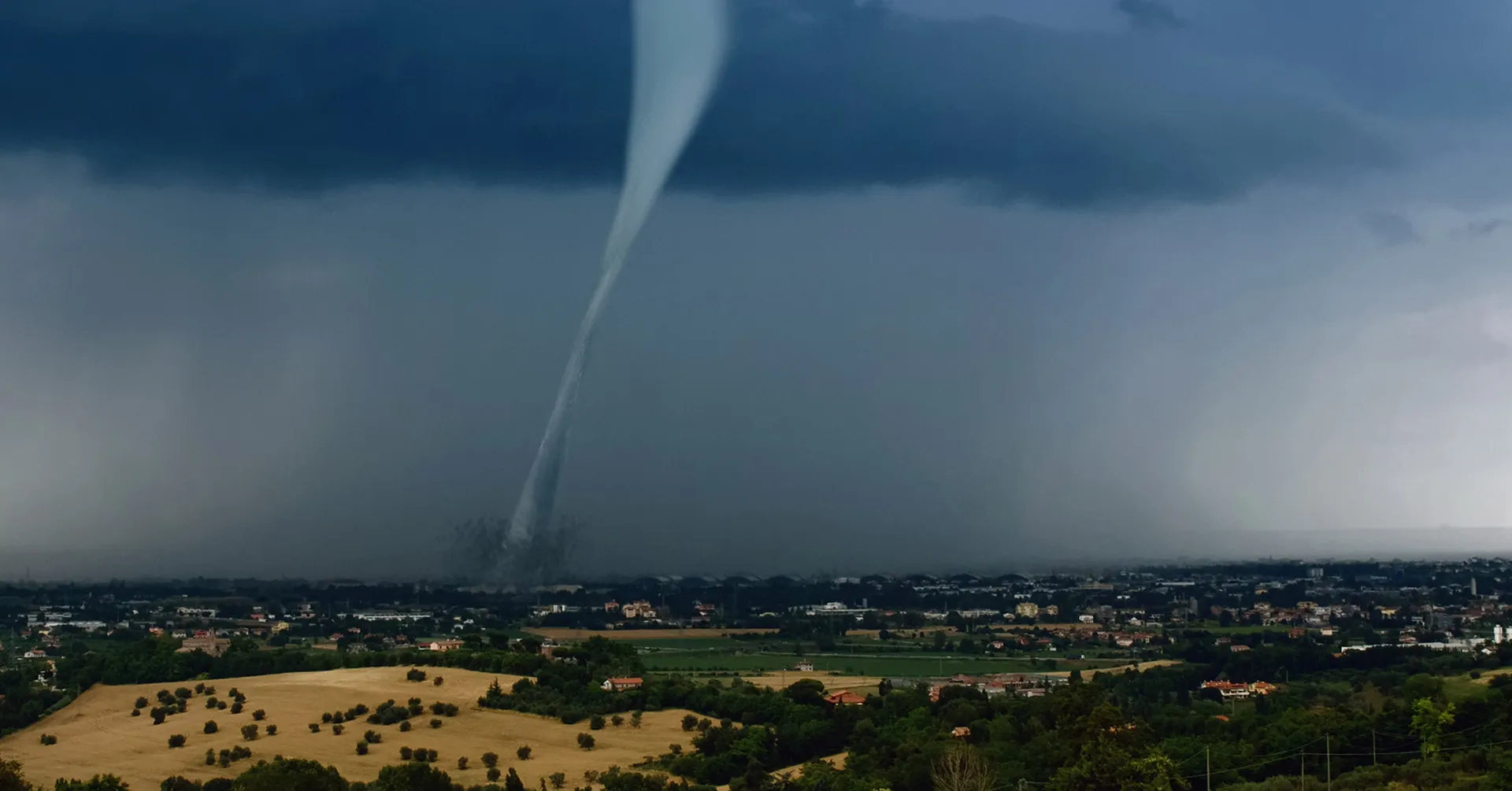
Workplace Tornado Drills: Essential Guide for Business Safety
Imagine a typical workday suddenly turning chaotic. The sky darkens with alarming speed, winds howl violently outside, and then, a sound unlike any you've heard before—a low, powerful rumble growing in intensity, signaling the imminent arrival of a force that promises indiscriminate destruction. This isn't a scene from a disaster movie; it's the reality of an approaching tornado, and without proper preparation, your employees and your business could be in grave danger. For organizations everywhere, the question isn't *if* severe weather will strike, but *when*, and how ready they are to protect their people and assets. The cornerstone of this readiness? Regular, effective
tornado drills.
Tornadoes are among nature's most destructive and unpredictable phenomena. Their impact can range from millions of dollars in property damage to tragic loss of life, disrupting entire communities and crippling businesses for extended periods. What's more, the landscape of tornado activity is shifting; areas not traditionally considered "Tornado Alley" are experiencing more frequent and severe outbreaks. As Jennifer Dunn, Warning Coordination Meteorologist from the National Weather Service, aptly puts it, "Everything can be significantly changed or destroyed in just a few seconds by a tornado." This stark reality underscores the urgency for businesses to invest in robust preparedness strategies, with comprehensive
tornado drills at their core.
Why Workplace Tornado Drills Are Non-Negotiable for Business Safety
The unpredictable nature of tornadoes makes advanced warning extremely challenging, often leaving only minutes, if not seconds, to react. This limited window for action means that spontaneous responses are rarely effective. Instead, employees need to operate on instinct, a reflex honed through repeated practice. This is where
tornado drills prove invaluable.
Drills are far more than just exercises; they are critical training sessions that embed life-saving procedures into the collective memory of your workforce. They create muscle memory, ensuring that when a real tornado alert sounds, panic is replaced by purpose. Employees who have practiced their routes to safety and understood their roles are more likely to act quickly and calmly, dramatically increasing their chances of survival and reducing injuries.
Consider the recent history in states like Michigan, which experienced seven tornadoes in a single day last August, causing millions in damages and tragically, two fatalities. These real-world events serve as powerful reminders that even regions averaging 15 tornadoes annually can be hit hard. Participating in statewide initiatives, such as Michigan's Severe Weather Awareness Week, and conducting voluntary
tornado drills is a proactive measure that saves lives. Businesses that prioritize these drills are not just complying with best practices; they are actively building a culture of safety that protects their most valuable assets: their people. For a deeper dive into the increasing threat, you might find this article insightful:
Tornado Drills: Your Key to Safety as Severe Weather Increases.
Components of a Comprehensive Workplace Tornado Preparedness Plan
While
tornado drills are paramount, they are just one piece of a broader, multi-faceted emergency management strategy. A truly effective workplace tornado preparedness plan aims to:
1.
Enhance Structural Resilience: Minimize potential damage to your facility and equipment.
2.
Ensure Personnel Safety: Clearly identify and communicate safe zones.
3.
Expedite Recovery: Facilitate a swift return to normal operations post-storm.
Here’s an overview of essential elements that should complement your drill program:
*
Identifying Safe Shelters: The absolute safest place during a tornado is an underground shelter or a purpose-built tornado-safe room. Where these aren't feasible, designate interior rooms on the lowest floor, away from windows, as primary shelter areas. These spaces should be clearly marked and easily accessible.
*
Robust Communication System: How will employees receive alerts? This includes NOAA Weather Radios, reverse 911 systems, intercom announcements, and possibly text/email alerts. Ensure redundant communication channels are in place.
*
Defined Roles and Responsibilities: Assign clear roles, such as floor wardens, first aid responders, and personnel responsible for accounting for all employees. These individuals should receive specialized training.
*
Emergency Supply Kits: Stock designated safe areas with essential supplies: first-aid kits, water, non-perishable food, flashlights, extra batteries, whistles, and a battery-powered radio.
*
Building Vulnerability Assessment: Regularly inspect your facility for potential weaknesses. Secure or remove items that could become projectiles. Back up critical data off-site.
*
Post-Tornado Protocols: Outline procedures for checking on employees, assessing damage, contacting emergency services, and initiating recovery efforts.
Conducting a Successful Tornado Drill: A Step-by-Step Guide
Executing a well-planned
tornado drill requires careful consideration from planning to post-drill evaluation.
1. The Planning Phase: Laying the Groundwork
*
Form a Safety Committee: Designate a drill coordinator and a team to develop, implement, and evaluate the plan.
*
Map Safe Zones: Clearly identify and mark primary and secondary shelter locations for every area of your building. Consider different types of building structures and their inherent vulnerabilities.
*
Establish Clear Signals: Determine distinct audible and/or visual signals for a tornado warning (take shelter) and an "all clear." Ensure these are easily recognizable throughout the facility.
*
Develop Evacuation Routes: Map out the quickest and safest routes from every workstation to the designated shelters. Post these maps prominently.
*
Communicate Broadly: Inform all employees about the upcoming drill, its purpose, the signals, and their roles *before* it happens. Educate new hires during onboarding.
*
Address Special Needs: Account for employees with disabilities or those requiring assistance. Develop specific protocols to ensure their safe evacuation.
2. The Execution Phase: Putting the Plan into Action
*
Announce the Drill: Begin the drill with a clear announcement that this is a *drill* and not a real emergency.
*
Activate the Warning Signal: Sound the designated tornado warning signal.
*
Directed Movement: Employees should quickly and calmly proceed to their designated safe areas, following established routes. Emphasize avoiding windows and open spaces.
*
Shelter Procedures: Once in the safe area, employees should crouch low, covering their heads and necks, remaining calm and quiet.
*
Accountability: Floor wardens or designated personnel should conduct a headcount in each shelter location to ensure everyone is accounted for. This is a critical step often overlooked.
*
Issue "All Clear": Once the simulated threat has passed, sound the "all clear" signal and instruct employees on safe re-entry to work areas.
3. The Evaluation Phase: Learning and Improving
*
Immediate Debriefing: Conduct a debriefing session with the safety committee and key personnel immediately after the drill.
*
Gather Employee Feedback: Provide a mechanism for all employees to offer feedback on what went well and what could be improved. Anonymous feedback can be particularly valuable.
*
Identify Gaps and Bottlenecks: Pinpoint any confusion points, slow response times, communication breakdowns, or areas where safe access was hindered.
*
Update and Refine: Use the lessons learned to update your emergency plan, refine routes, clarify roles, and improve communication strategies.
*
Schedule Next Drill: Commit to regular drills, ideally annually, or tied to events like Severe Weather Awareness Week, to maintain readiness. Lessons from severe weather outbreaks, such as those discussed in
Michigan's Tornado Drill: Lessons from Deadly 2023 Outbreaks, highlight the importance of consistent practice.
Beyond the Drill: Sustaining a Culture of Safety
A single
tornado drill, no matter how thorough, is not enough. Sustaining a culture of workplace safety around severe weather demands ongoing commitment:
*
Regular Training & Refreshers: Conduct annual refreshers for all employees and provide immediate training for new hires. Scenario-based training can also be highly effective.
*
Equipment Checks: Regularly inspect and test all emergency equipment, from radios to first aid supplies, ensuring they are functional and fully stocked.
*
Stay Informed: Designate a team to monitor local weather patterns, especially during peak tornado seasons. Understand the difference between a tornado watch (conditions are favorable) and a tornado warning (a tornado has been sighted or indicated by radar – act now!).
*
Community Engagement: Collaborate with local emergency services, participate in community-wide preparedness initiatives, and stay aware of regional alerts and guidelines.
*
Leadership Buy-in: Safety initiatives thrive when leadership demonstrates consistent commitment and actively participates in drills and planning.
The destructive power of a tornado is immense, but the power of preparedness is even greater. By implementing regular, well-structured
tornado drills and embedding them within a comprehensive safety plan, businesses can significantly mitigate risks, protect their employees, and ensure resilience in the face of nature's most violent storms. Don't wait for the telltale freight train sound to act; prepare today to secure your tomorrow.